
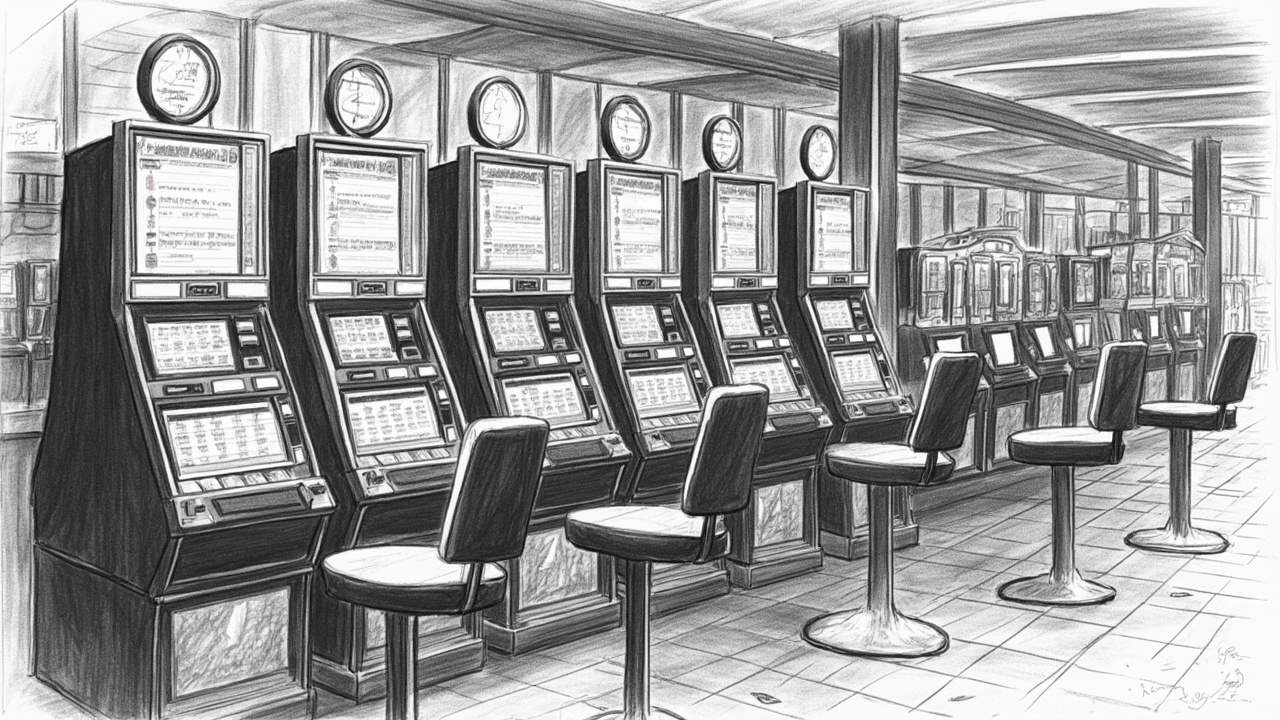
A bonus looks generous on a promotional page, but the headline figure rarely tells you how much work is involved to turn bonus credit into withdrawable cash. Casino bonus wagering time is the wall that most players walk into without a plan, and it is usually the reason a balance that looked promising at noon is gone by arvo. For Australian adults choosing where to play, the clock matters as much as the multiplier, because a 35x rollover on $500 with seven days to clear is a very different beast from the same rollover with thirty days behind it. Reckon you would rather have a smaller bonus you can finish, or a giant stack you cannot realistically convert? That single question reshapes how every promotion should be read.
What the wagering clock actually controls
The clock is not decoration. It dictates the average stake size you can comfortably place, the games that are realistic to clear on, and the pressure you feel when the bar moves a fraction with three days left. Most Australian-friendly rooms now publish wagering time as a hard expiry, not a soft suggestion, and the variance between brands is wider than the bonus amount would suggest. I have reviewed sign-up offers where the rollover was modest but the window was five days over a long weekend, which is a defo way to burn a balance while you are at the cricket. The smarter operators treat wagering time as a usability feature and print it in the bonus terms in plain language, near the eligible games, rather than buried in a sub-clause about restricted categories.
Time also interacts with game weighting. Slots typically clear 100 per cent, table games often clear 10 per cent, and live dealer titles sit somewhere in between, which means the same calendar window can feel generous on reels and punishing on a blackjack shoe. William White, Risk and Integrity Manager at Top End Gaming Advisory, told me that “a fair wagering window is the one where a player who picks reasonable games can clear it without changing their normal session length”. If the clock forces you into a grinding routine you would never normally run, the bonus is not really for you – it is for the house edge.
How to weigh a wagering window before you opt in
A useful window is one you can clear without altering how you actually play. The questions below are the ones I would ask before claiming any offer from a site, including the rooms signposted through jackp0tjill-login.com, and they read cleanly onto bonuses at most Australian-facing brands once you adjust the numbers.
How many real sessions does the window cover?
Convert the clock into sessions, not days. A thirty-day window with bonus cleared at $1,000 across thirty-minute sessions is a very different workload from a seven-day window at the same target. In Hobart, that distinction matters more than locals expect: state-based platform rules and provider availability can trim the effective game list, which lengthens the realistic clearing time even when the calendar looks generous. If your average session is forty-five minutes and the bonus needs fifteen of those to clear, a fourteen-day window is tight but workable; a seven-day window is a sprint.
Does the clock reset on game switches or restricted titles?
Some rooms reset the wagering clock when you dip into a restricted game mid-clear, or they strip progress if a single spin breaches the max-bet rule. Read the small print or call support before you claim, and treat any operator that cannot explain the reset rule in one sentence as a red flag. Liam Parker, Risk and Integrity Manager at Kangaroo Point Analytics, put it bluntly: “operators that hide a clock reset behind three layers of terms are telling you how they handle disputes”. The same lesson applies when you are looking at adjacent guides such as a welcome bonus walkthrough – the timing rules matter as much as the headline match.
The interface question: can you actually see the clock?
A countdown is useless if it lives three menus deep. The better rooms pin wagering time and remaining contribution to the bonus card on the cashier screen, with a clear progress bar and the expiry date stamped in Australian time. Visual identity around bonuses should be calm, not carnival – a noisy promo skin rarely signals a fair window underneath. Localisation matters here too: AUD balances, a Hobart-readable date format, and an English-AU spelling baseline all reduce the small friction that compounds across a clearing window. If the site defaults to a euro balance and you are recalculating conversion in your head while the bar ticks down, that is a usability tax the operator is charging you in focus.
What this means for Australians
For Australian adults 18+, the practical translation is simple. Pick the bonus whose window you can clear on the games you actually enjoy, in the sessions you would normally play, rather than the largest number on the page. A 100 per cent match up to $300 with thirty days and 100 per cent slot weighting will usually beat a 200 per cent match up to $1,000 with five days and a 50x rollover, because the first option respects your time and your routine. Always confirm the operator accepts Australian players under the licence they actually hold, and never use a VPN to claim a bonus that is geo-restricted – that path voids wins. If a bonus forces a routine you would not normally run, skip it; the next offer is never far away.
Liam Smith, an Independent iGaming Expert working out of Blue Mountains Interactive, summed up the mindset shift I would push on every reader: “treat the wagering clock as a budget line, not a marketing line – once you do, every bonus on the page sorts itself into the ones worth claiming and the ones that cost you time”. Remember that dice must hit the far wall of the craps table for a roll to count, and the same physical logic applies to wagering time – if the rule is hidden behind the felt, the game is already tilted.
Verdict
A fair wagering window is long enough for normal play, short enough to keep the bonus purposeful, and visible enough that you never lose the bar mid-spin. Australian players get the best outcomes when they rank offers by clear-able value per session, not by headline match, and when they treat any operator who buries the clock as a brand not worth trusting with their bankroll.
